- The Backroom Staff
- Posts
- The Backroom Staff - JCI General Manager: Albert Romans
The Backroom Staff - JCI General Manager: Albert Romans
Applying Cruyff’s ideas beyond the pitch

Nik
December 10, 2025
JCI General Manager: Albert Romans
Applying Cruyff’s ideas beyond the pitch
Johan Cruyff is, without a doubt, one of the most influential people in the history of football - a generational player and an elite coach whose ideas still shape the modern game. The Johan Cruyff Institute (JCI) is one of the most unique pieces of Cruyff’s legacy - an institution trying to influence sports management with the same clarity and purpose that Cruyff brought to playing and coaching. What started as a way to help former teammates transition after football has grown into a global network aiming to shape the next generation of leaders in sport.
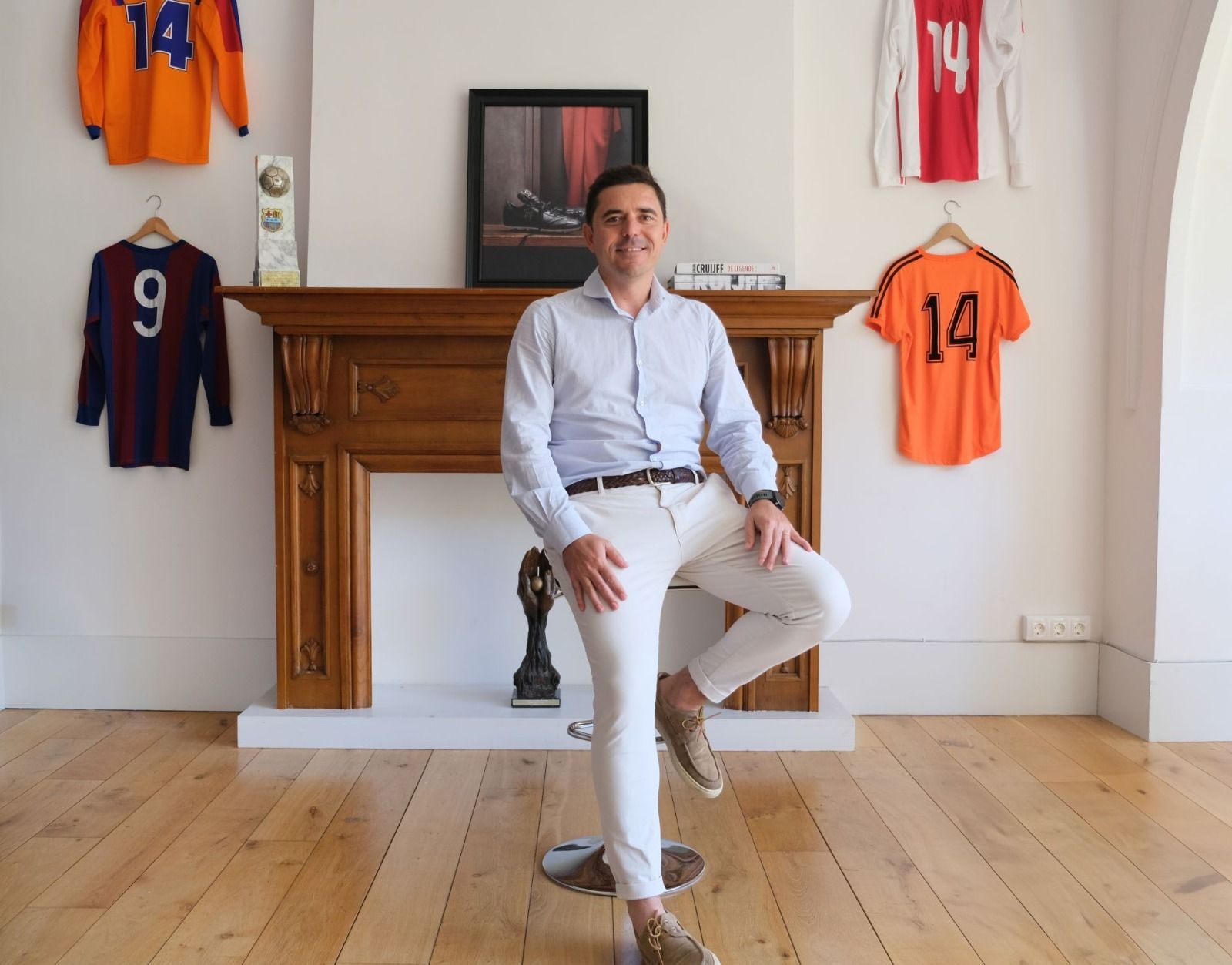
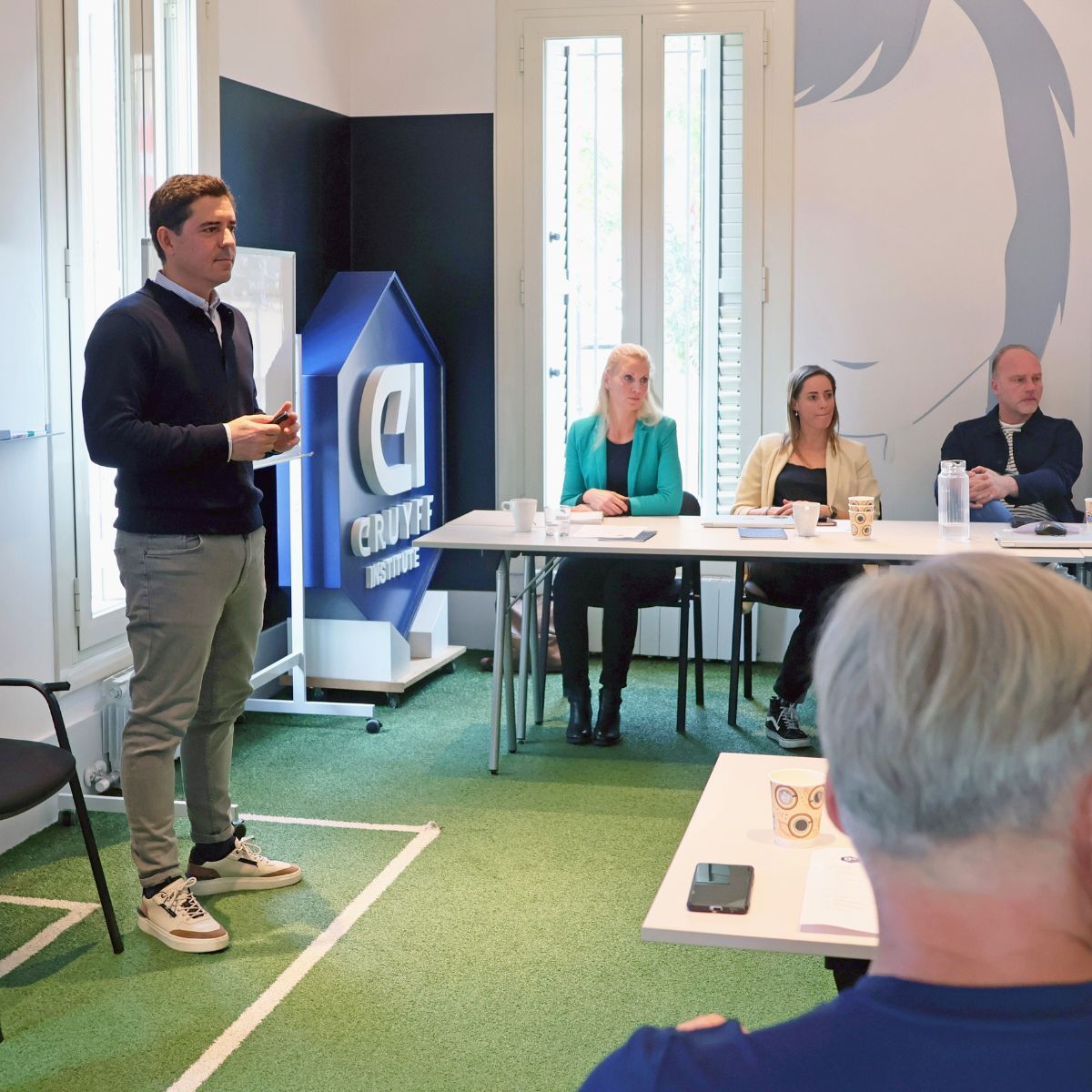
Albert Romans, the general manager of the Johan Cruyff Institute, sits at the center of that mission. With a background in economics, journalism and leadership roles at top business schools in Barcelona, he combines a rare mix of skills and experience with a deep respect for Cruyff’s philosophy.
In this interview, Albert talks about how Cruyff’s values guide decision-making inside JCI, why the ‘theory + experience’ model matters, the skillset future football professionals will need, and how JCI is positioning itself as a global reference point in sports education.
The interview has been condensed and lightly edited for grammar and clarity.
Read on thebackroomstaff.com
[ Background ]
I was born here in Barcelona and I’ve been connected to football since I was a child, first as a player and later as a fan of FC Barcelona. As a football and futsal player, I enjoyed it a lot. I was never the best in my team - I was better at tennis and now, padel - but I’ve always been fascinated by the game’s influence, which is huge.
To be honest with you, when I graduated from high school, I didn't know what to study! Then, I got to study economics, which is quite broad. After that, I also studied journalism here in Spain. So, I have a quite unique profile with both economics and journalism and for me, marketing was an obvious - or, easy - choice.
Although I have lived in many other countries, Argentina, France and the UK, I’ve spent most of my life in Spain, in Barcelona developing myself in the education sector where I’ve mainly worked in business schools here in Barcelona, which are quite international as well - Esade and IESE - and then, in quite a unique university - Epitech, a French university that began expanding maybe 6 or 7 years ago. These experiences gave me a deeper understanding of academic excellence, strategic leadership and above all, taught me about the dynamics of global education.
One and a half years ago, I left Epitech to join JCI, the Johan Cruyff Institute, where I can again see education from a different perspective. We’re training the next generation of sports managers around the world.
[ Can you describe the Johan Cruyff Institute? What makes it different from the other universities you’ve worked at? ]
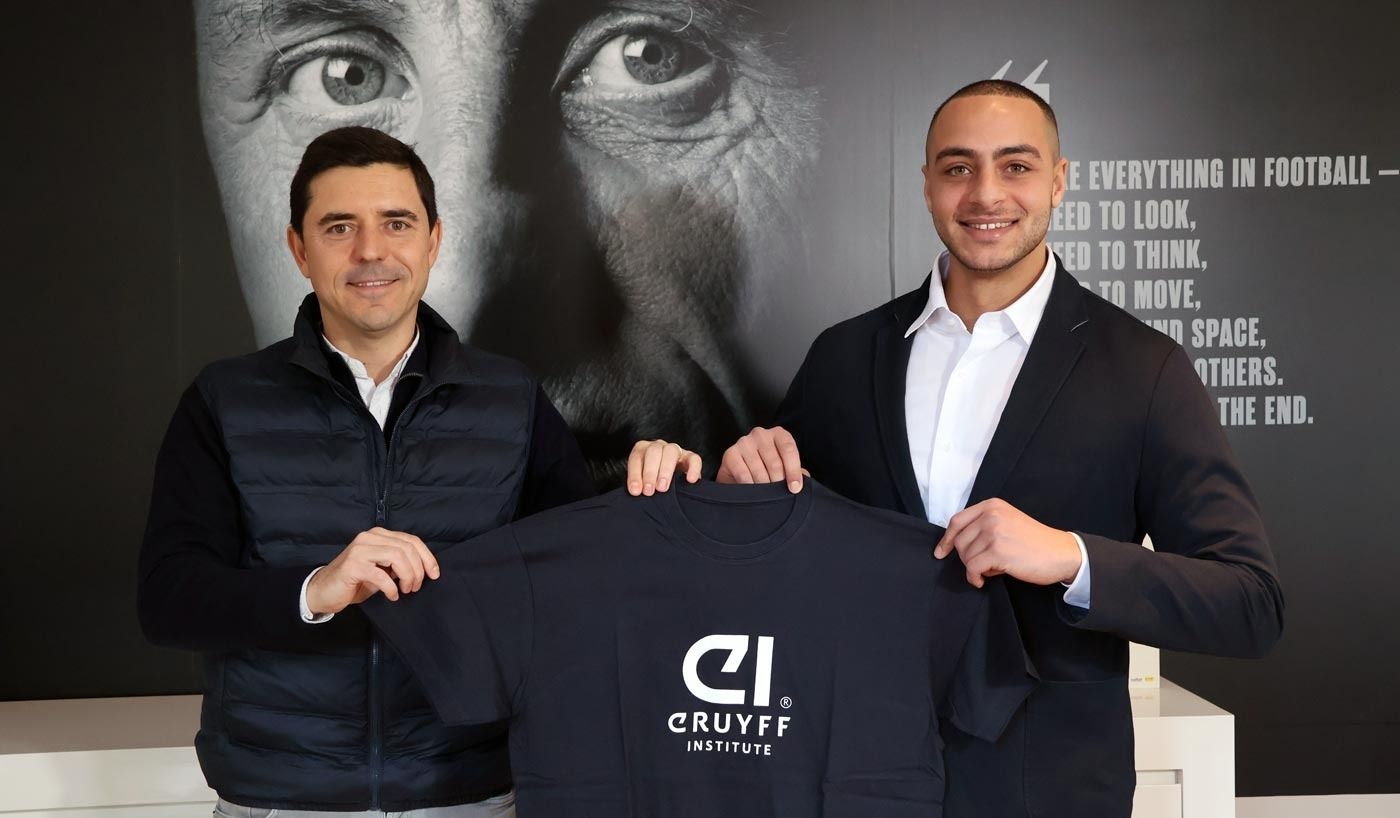
The Johan Cruyff Institute was founded 26 years ago by Johan himself. He was a Dutch national, but lived much of his life here in Barcelona with his family. After finishing his football career, first as a player and then as a coach, he, together with his wife and children, started several ventures. In the late 90s, he created the Cruyff Foundation and then, shortly after, the Cruyff Institute.
The Johan Cruyff Institute is an educational venture. At first, he just wanted to help his former teammates have a future after their playing careers but it developed into something much bigger. Now, we have a lot of different programs in sports management in fields ranging from sustainability to marketing to finance. We are focused very much on both graduate programs and executive education nowadays.
We have campuses in Barcelona, where we have our headquarters, and also in the Netherlands, Mexico and Peru. Across all these locations, we have around 1,000 students studying with us at the moment.
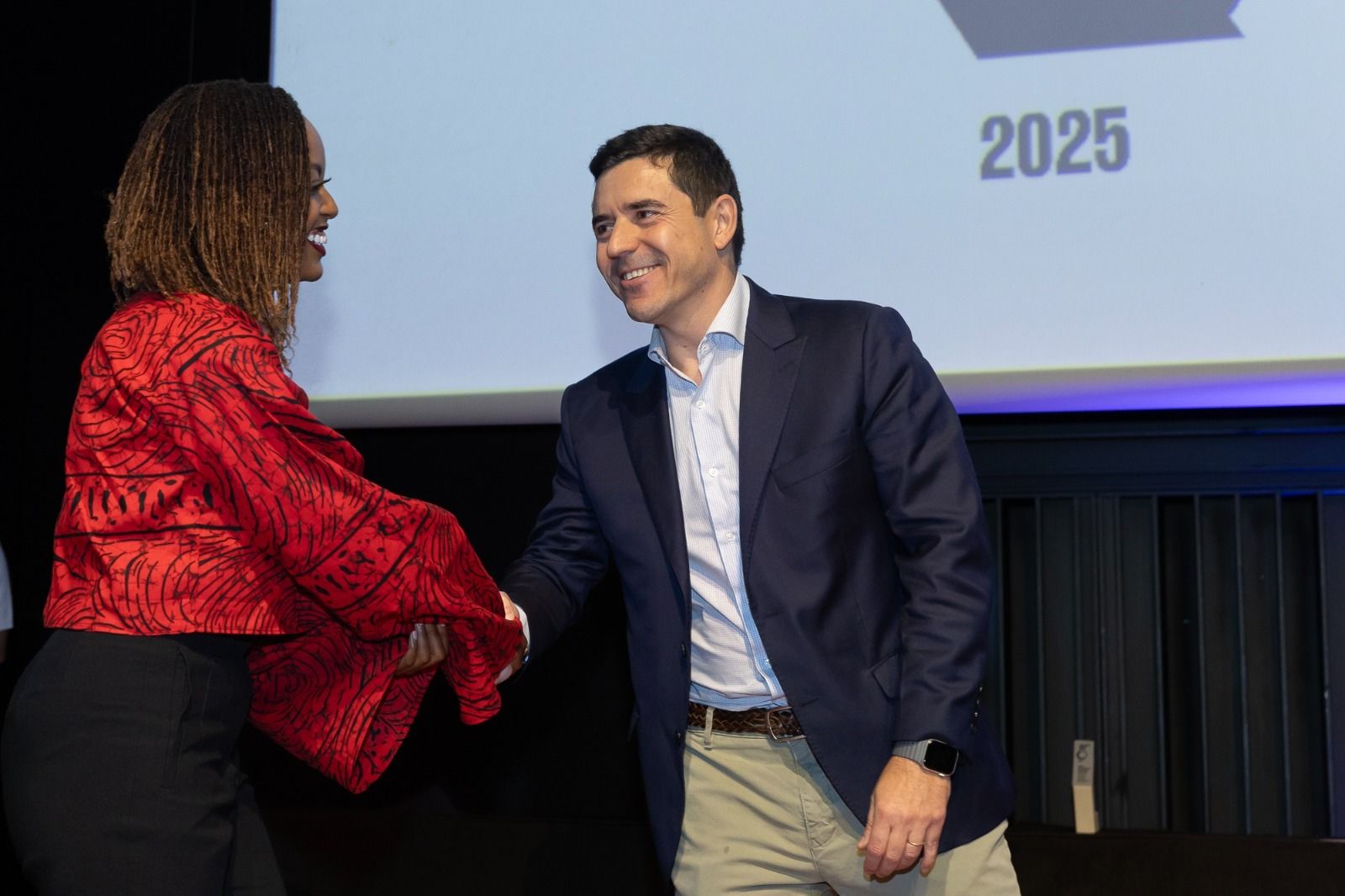
In terms of how JCI differs from the other universities I’ve worked in, there are a few dimensions. First, we have a purpose-driven DNA, Cruyff’s philosophy shapes our values - respect, simplicity, creativity and optimism - and guides the way we teach and the way we make decisions. Then, we offer industry-based learning. That means we educate from inside the sports world, not from theory alone. Our formula is always theory plus experience. Here, you learn from the best in their fields, not only from PhDs or the ‘classical’ approach you might find in any university. And, finally, we offer much more agility and are able to innovate and adapt much faster than large, traditional universities and this has given us a great advantage, especially with the adoption of new partnerships and opportunities in the education world.
we educate from inside the sports world, not from theory alone. Our formula is always theory plus experience
[ What does the general manager at a university do? What are you responsible for day to day? ]
As you can imagine, I'm responsible for a large number of tasks that includes strategy, financial sustainability, academic quality, team development, and ensuring alignment between Cruyff’s legacy and our institutional decisions. Above all, I'm here to guide, build a strong team, and make sure we execute and devise the best future for JCI.
[ Can you give an example of how Cruyff’s legacy influences your decision making? ]
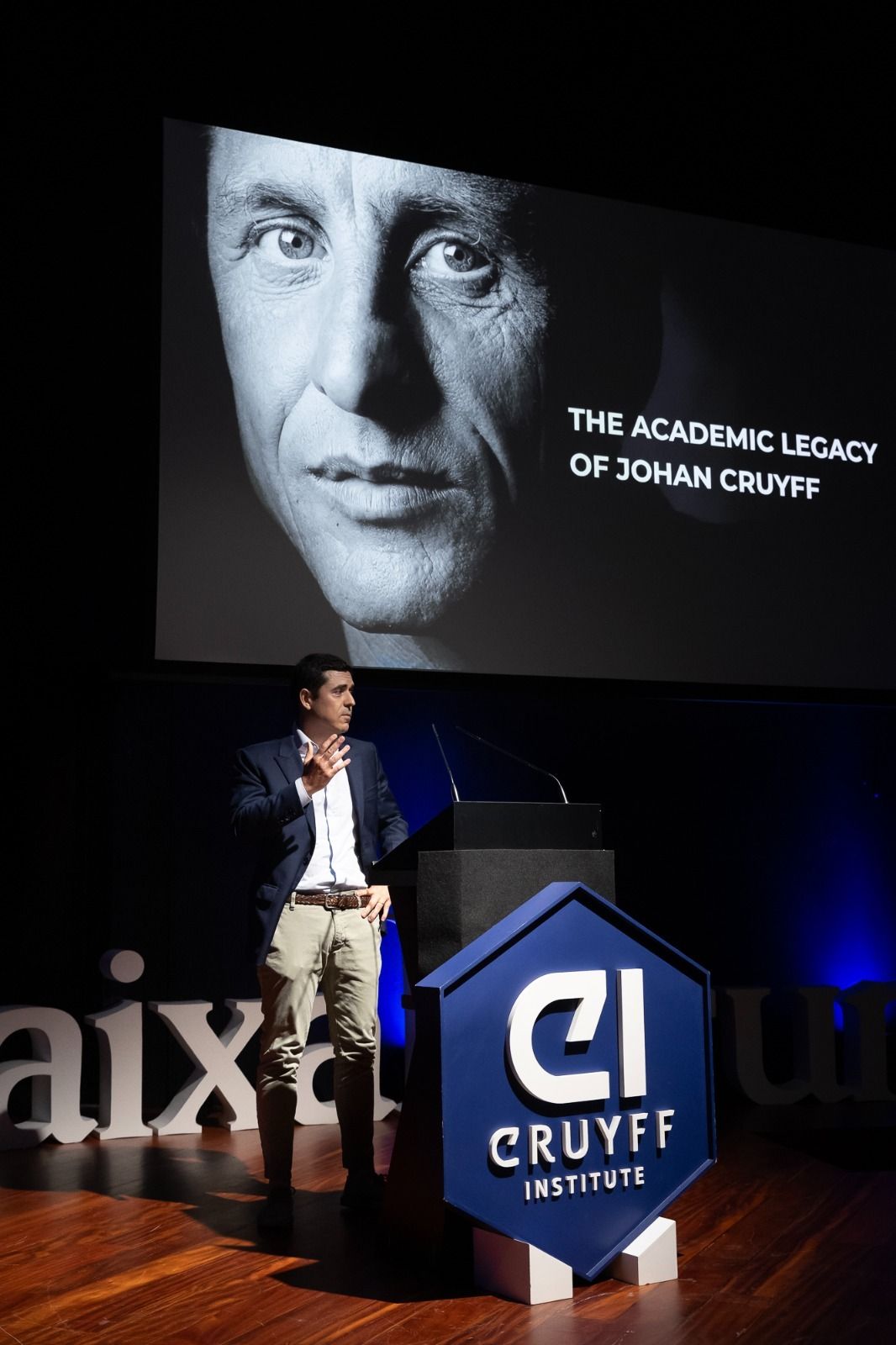
If you don't mind, first let me dive a bit deeper on the importance of Johan Cruyff. Johan is the father of modern football, what people today call ‘total football’. I think everyone will agree with me if I say he's one of the top, maybe, 5 or 6 football players ever, and one of the most respected coaches in the history of this sport and has influenced many other great coaches like Pep Guardiola and Luis Enrique. And therefore, he's left a unique and lasting impact on football.
But, Cruyff also believed in simplicity, creativity, education, and social impact. His name and legacy give us a lot in terms of branding, but also a huge responsibility, as we must act with integrity and create meaningful impact in sport. This means we need to take decisions, on a day to day basis that align with his vision and legacy.
For example, we’re expanding and entering a lot of new markets, which is a very important part of our strategy. I don’t want to give specific markets, but I think it’s quite clear we have to question if entering certain markets would align with Johan’s vision and if he would agree with that decision.
[ Is the Cruyff family still involved in JCI? ]
Yes, the company is owned by the Cruyff family, specifically by his wife, Danny. It’s also managed on the strategic side by his son, Jordi.
[ Who are the students taking courses at JCI? ]
We have a very international and diverse community with many student profiles, but if I had to summarize them, I would say we have, first, young professionals entering the sports industry. That includes fresh graduates entering the sports industry, managers switching industries and people already working in clubs, federations or sports organizations that want to grow.
We also have many current or former athletes transitioning to management. This is a very important focus group for us.
One of our big goals is to have more women in class to help build the bridge, in that sense. And for instance, this year, and for the first time in JCI’s history, an on-campus program had a majority of female students, with the case of the Blended Master’s in Sports Marketing and Management that we offer here in Barcelona. That's a huge milestone for us.
[ What are some of the important goals for JCI in regard to its students - what kind of graduates are you hoping to produce? ]
Hmm, that's a very good question. We want to train ethical and well-prepared leaders. We want to inspire innovation in sports organizations. We want to offer career-changing education because, as I mentioned, many students are looking for a career switch.
We also want to expand our global network. We currently have more than 11,000 alumni around the world and this helps us a lot, especially in new markets. Nowadays, sports management is evolving and changing and there’s a big opportunity in emerging countries around the world in Asia, Africa and Latin America - that’s one of our big focuses these days.
[ How do you balance theory with practical experience at JCI? ]
Sport is applied by nature, and we combine different techniques. First of all, students study real projects, real cases. Our professors don’t need to hold a PhD, they need to have experience in the field.
Our students also develop projects for clubs, or federations, or sports organizations during their studies. There's always a final project that has to be linked with a real situation. We have lots of clubs and federations as partners, and most of our students do internships during their studies.
For example, a recent project that comes to mind. Our students worked with Real Betis, one of our partners here in Spain, and developed a plan to improve and optimize their operations.
Sport is applied by nature
[ Do you think football is a more difficult field to break into than more ‘traditional’ careers? ]
Let’s be honest, it's not easy to get a first job in football. There are many, many people who have in mind to work for the best clubs, they all want to work for FC Barcelona, Real Madrid, PSG, Bayern Munich. But, there are many, many football clubs, organizations and federations around the world that are not so well known but are also looking for talent.
For us, the challenge is to change this mindset. Of course, we want our graduates to work in the top clubs and organizations - and many do! - but sometimes they have to start with smaller clubs or organizations.
[ What do you hope to accomplish as General Manager at the JCI in the next 5 or 10 years? ]
My vision is to position JCI as the global reference in football and sports education. That's a huge challenge. I want to do that by expanding our presence internationally, while strengthening our academic excellence.
Specifically, I want to establish global hubs in strategic regions - that’s what we’re doing now - and expand alliances with top universities to develop degrees with international accreditation. This will allow us to expand past just postgraduate and executive education and maybe launch full degrees specifically in football management, why not?
We also want to build a stronger digital campus. That’s very important for us because more than 50% of our students are studying online.
We want to become one of the leading institutions for elite education and transition, and that involves not only B2C education, but also B2B education with organizations and clubs around the world.
Finally, we want to strengthen our presence in football governance and leadership and preserve and amplify Johan Cruyff’s legacy worldwide. That’s something we are working on together with the other ventures Johan created during his life.
[ Do you think the increased requirements in football (see e.g. coaching license requirements or the next FIFA agent exam, etc) is a positive step? Are there risks that this will lead to some ‘standardization’ and dull some of the creativity or uniqueness in football? ]
I think it's a very positive move, as it raises the level of professionalism and regulates something that needed more control, to be honest with you.
But of course, risk exists. For instance, as you mentioned, there is now less room for creativity and disruption, including for unique models like ours. I think there is an increasing homogenization of football culture and less room for innovation.
We’ve been developing football coaching courses here in Spain, and we see how difficult it is to do something new and meet the UEFA or FIFA standards when we want to do something unique, something aligned with Johan’s philosophy.
[ It seems that there’s more focus and effort than ever by clubs to make sure they get the best players and coaches. How does this look on the sports management side - are clubs thinking about this in a similar way? Are they actually trying to get the best talent in all areas of the club? ]
That's a very appropriate point. I think it's very interesting, and we could discuss this for hours!
I would say investing in managerial talent is as important as developing players and technical staff. I think that clubs that invest in business-side talent will become more sustainable and innovative than those that don't.
And this is something we’re starting to see more of. We have developed training programs for many leading clubs and have helped develop several initiatives, like internal education programs.
It’s a growing trend in football and sport management in general for clubs to start their own business units that are devoted to education and take advantage of these units to train their staff well.
If you develop talent programs, especially in football business, it can really pay off, and the top executives will develop their mindset and find new ideas and new strategies.
clubs that invest in business-side talent will become more sustainable and innovative than those that don't
[ What skills are more important for the next generation of people who want to work in football than maybe 10 or 20 years ago? ]
I'd say this is a mix of hard and soft skills.
I would say, first of all, data literacy. I mean, nowadays, data, artificial intelligence, and technology in general are must-have skills. Digital communication skills are also compulsory for professionals starting - not only in sports management, but in any other sector. Then, some softer skills that are very important are adaptability, creativity and resilience.
And, of course, languages! English is compulsory by now, but if you manage to also speak Spanish, French, or Chinese, for example, this is very important because clubs, federations and organizations are all thinking internationally as well.
[ What advice would you give to someone who wants to enter the football/sports industry? ]
I have many pieces of advice, but mainly I would stress the importance of being multidisciplinary. Jobs today demand skills in data, marketing, communication, analytics, leadership and technology.
I would also advise them to build relationships. The industry moves through trust and connections - engage with people, attend events, join communities in and around football!
Stay curious and adaptable. Sports are transforming very fast. There are new fan behaviours, new technologies, new commercial models, and I think being open to learning is more important than ever.
Finally, above all, I’d say your passion for sport is your engine, but your professionalism is what opens the doors. So, be professional, and, of course, expand your passion for sports.
Follow Albert on LinkedIn and let him know you enjoyed the interview!
Have comments, questions or want to have your story featured on The Backroom Staff? send us a message or simply reply to this newsletter, we'll read it!
Read more interviews on The Backroom Staff 🙂